

Time Blocking: The Method That Actually Works
Learn how to divide your day into focused blocks. We’ll show you the setup process and real-world examples from busy professionals.
Read MoreProcrastination isn’t laziness. It’s a habit you can change. Discover five evidence-based techniques that work in real life.


You know that feeling. A task sits on your list. Days pass. You think about it constantly but don’t actually start. It’s not because you’re lazy or unmotivated — it’s because procrastination is an emotional regulation problem, not a productivity problem.
When a task feels overwhelming, boring, or uncertain, your brain seeks immediate relief through distraction. You’ll check your phone, reorganize your desk, make coffee — anything but the actual work. The temporary relief feels good in the moment, but it amplifies the anxiety later.
Here’s what matters: you can’t willpower your way past this. But you can build systems that sidestep the emotional trigger entirely. That’s what these five strategies do.

Each one targets a different trigger. Use the ones that match your specific procrastination patterns.

Commit to just two minutes. Not the whole task — literally two minutes of work. Set a timer. This removes the “starting resistance” that’s often bigger than the actual work.
What happens? You’ll usually keep going. Once you’re in motion, the emotional barrier drops. But even if you stop after two minutes, you’ve broken the procrastination cycle and made actual progress.
This works because it bypasses your brain’s tendency to catastrophize. You’re not committing to “three hours of report writing” — you’re committing to 120 seconds.
Don’t just say “I’ll start the project tomorrow.” Instead, create an if-then statement: “If it’s 9am on Monday, then I open the project file and spend 15 minutes on the outline.”
Implementation intentions remove decision-making from the equation. When the time comes, you don’t think — you just do. This is surprisingly powerful because decisions drain energy. Remove the decision, and procrastination loses its foothold.
Write these down. Literally. “If my alarm goes off at 6:30am, then I put on workout clothes and drink a glass of water before checking email.” The specificity matters.

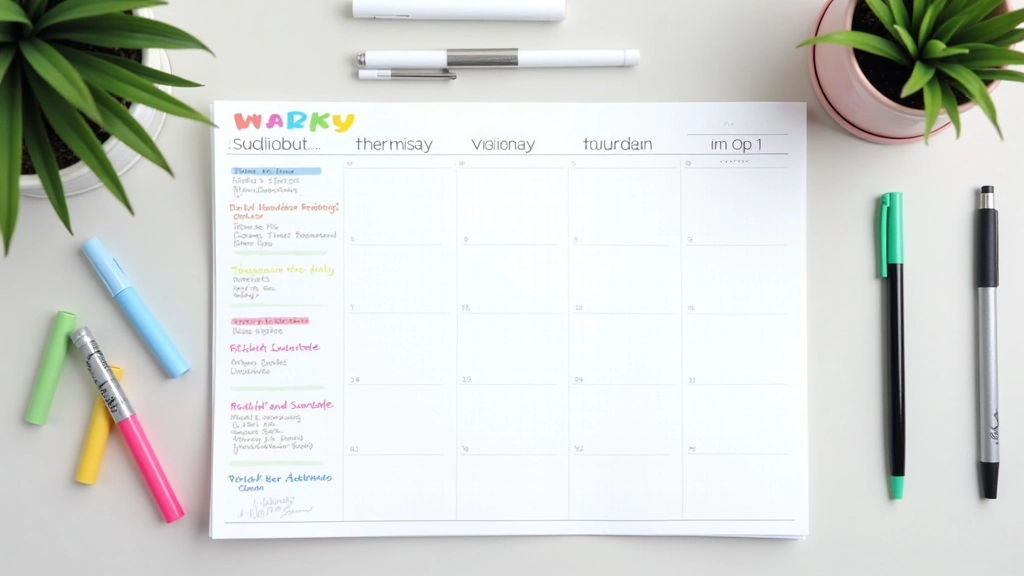

Your environment either supports or sabotages your intentions. If your phone is on the desk, you’ll check it. If the project file takes three clicks to open, you’ll find something else to do first.
Design your space to make the task easier than the distraction. Put your phone in another room. Keep your work file already open on your computer. Set up your workspace before you finish work the day before.
This isn’t about willpower. It’s about making the path of least resistance lead to actual work instead of Netflix. Small friction for distractions + zero friction for work = different behavior.


Tell someone specific what you’re doing and when. Not vaguely — specifically. “I’m starting the presentation outline at 2pm today and sending it to you by 5pm.”
Accountability works because it shifts the emotional trigger from “I feel anxious about this task” to “I don’t want to let someone down.” The second emotion is easier to work with. It’s also external, which gives your willpower a boost.
The key word is “without judgment.” Your accountability partner should just acknowledge your progress — no shaming if you miss the deadline. Shame makes procrastination worse, not better.
Before you start, name what you’re feeling. “I’m anxious because I don’t know if this will be good enough.” “I’m bored because this task feels repetitive.” “I’m overwhelmed because there are too many decisions.”
This takes 30 seconds. Research shows that simply naming an emotion reduces its grip on you. You’re not trying to fix the feeling — you’re just acknowledging it. Then you work anyway.
This is different from positive thinking. You’re not pretending you feel good. You’re being honest about what’s happening in your mind, which paradoxically makes it easier to act despite the feeling.

You don’t need all five strategies at once. Pick the one that matches your biggest procrastination trigger. Use it for 3-5 days until it feels automatic. Then add another.
Overwhelmed by size? Start with the Two-Minute Start.
Forget to start? Use Implementation Intentions.
Get distracted easily? Fix your Environment Design.
Struggle with follow-through? Build Accountability.
Stuck emotionally? Name what you’re feeling first.
You’ve probably tried to push through procrastination with discipline or guilt. It doesn’t work long-term because you’re fighting the wrong battle. You’re not weak or lazy — your brain’s threat-detection system is just overactive.
These five strategies work because they address the actual problem: emotion regulation. They don’t require you to become a different person. They just help you work anyway, even when you don’t feel like it.
Start small. Pick one strategy. Give it a real try for a week. You’ll notice the difference faster than you think.
This article provides educational information about procrastination management techniques. It’s not a substitute for professional mental health care. If procrastination is severely impacting your work, relationships, or wellbeing — particularly if it’s connected to anxiety, depression, or ADHD — please consult with a qualified healthcare professional or therapist. These strategies complement professional support but don’t replace it.